Big Build is now a Myki problem
The backlash has moved from Spring Street to the platform, where trust is the real timetable.
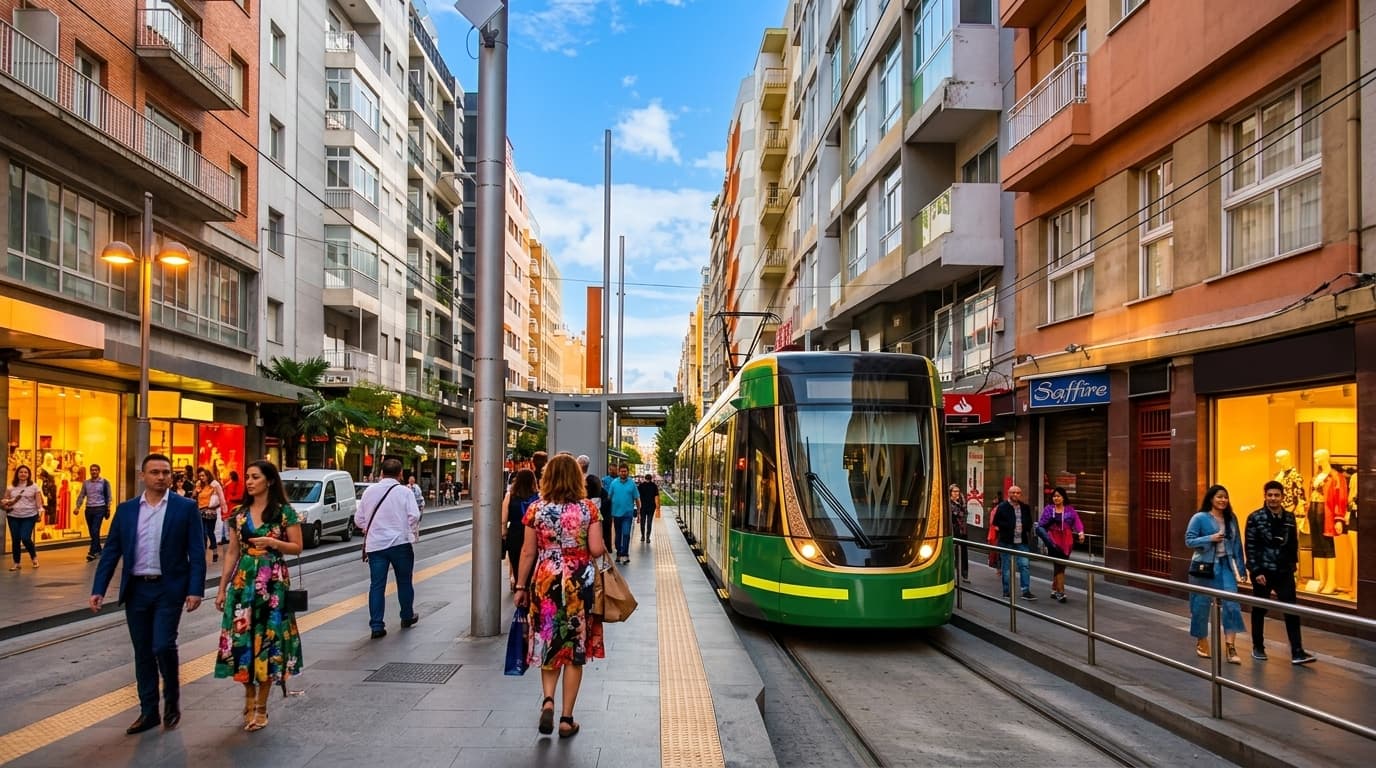
The Big Build was sold as the machinery that would make Melbourne easier to move through. This week’s anger is that the machinery now looks bigger than the trip itself.
That is the commuter translation of the latest public backlash: people are not suddenly against trains, tunnels, crossings and stations. They are asking why a state that can find vast sums for megaprojects so often seems to ask passengers to be patient, pay up, make do, and trust that the destination will justify the disruption.
The commuter translation: what people mean when they say Big Build
For most passengers, “Big Build” does not mean a neat government program with a tidy boundary. It means the orange signs, replacement buses, hoardings around stations, diverted tram stops, weekend shutdowns, cranes near rail corridors, and a sense that Melbourne has been under construction for a very long time.
That matters because transport infrastructure is not abstract in this city. It decides whether a nurse gets home after a late shift, whether a student makes the first lecture, whether a parent can do childcare pick-up without driving, and whether a worker in the outer suburbs can afford to say yes to a job across town.
The phrase has become a civic shorthand. It bundles together the promise of easier movement with the daily inconvenience of getting there. When trust is high, a shutdown is a nuisance with a purpose. When trust falls, the same shutdown feels like a bill you keep paying without seeing the receipt.
Melbourne will tolerate a closed line if it believes the reopened one will be worth the wait.
From level crossings to tunnels: why transport projects became Victoria’s default civic promise
Transport became the natural language of Victorian politics because it touches everyone without needing explanation. A hospital funding line can feel distant until you need it. A school budget can feel specific to families. But a train delay is democratic, it irritates across class, suburb and vote.
For years, the pitch has been simple: build now, benefit later. Remove bottlenecks. Separate roads from rail. Add capacity. Make the map work for the city Melbourne has become, not the smaller city it used to be. That promise has power because most locals know the existing network carries the compromises of older decisions.
It also suits a growing city’s temperament. Melbourne does not just want monuments, it wants functioning systems. The most persuasive public works are not the ones you admire from a distance, but the ones you stop noticing because they work. A station entrance that is easy to use, a tram interchange that makes sense, a service pattern that turns a two-transfer trip into one continuous ride, these are the civic luxuries commuters actually feel.
The problem is that megaproject politics can become a substitute for the less glamorous work of public transport: frequency, staffing, maintenance, clear information, clean stops, safer interchanges, better bus connections, and timetables that acknowledge how people live outside the nine-to-five commute.
The backlash now: royal commission calls, debt anxiety and missing accountability
The immediate reason this has flared is a new cluster of reader letters published by The Age, responding to recent Big Build corruption revelations. Several writers call for a royal commission, while others connect transport spending with pressure on hospitals, schools, helplines, police and other everyday services. [7]
Letters pages are not opinion polls, and they should not be treated as a full map of public feeling. But they are useful weather vanes. They show how an infrastructure story can escape the business pages and become a kitchen-table argument about whether the state’s priorities make sense.
The recurring theme is not technical procurement. It is trust. Readers are asking whether the people paying for the works can be confident that public money is being protected, that oversight is strong enough, and that political pride has not made it harder to admit what needs deeper scrutiny.
This is where the royal commission call lands. For ordinary passengers, the phrase means: bring the facts into one place, compel answers where possible, and stop asking the public to accept general reassurances. Whether that is the right mechanism is a question for government, Parliament and oversight bodies, but the appetite for it tells us something important. The public mood has shifted from “how long until it opens?” to “who is watching the money?”
Why this lands with tram and train users
Commuters are unusually patient when they can see the bargain. We will take the replacement bus if the alternative is a safer, faster, more reliable line. We will walk an extra block to a temporary tram stop if the finished street works make the service more usable. We will forgive mess when the result is visible.
But patience is not unlimited. It is a loan from the public, and it accrues interest. Every project asks passengers to absorb costs that do not appear on the budget papers: earlier alarms, longer school runs, missed connections, more rideshares, more petrol, more stress, and the small indignity of not knowing whether the journey home will behave.
That is why corruption revelations, and the anger around them, hit harder than a routine political fight. If the public suspects that the machinery has become self-protecting, every inconvenience is reinterpreted. A delay is no longer just a delay. A detour is no longer just a detour. It becomes evidence in a bigger case about whether the system respects the people using it.
For newer Melburnians trying to decode the network, that can be especially bewildering. The public-facing system is already layered: Myki zones, train lines, tram corridors, buses that may or may not meet the train, and CBD rules that differ from the suburbs. If you are still learning the city, our New in Melbourne guide is a better starting point than the politics, but the politics explains why people sound so weary when the bus replaces the train again.
The hidden fare question: Myki, services and what value feels like
Here is the quiet fare question underneath the backlash: once passengers believe billions can be found for concrete, tunnelling and contracts, they judge every Myki tap more harshly. Not because fares directly fund one project in a simple household-budget way, but because commuters experience transport as one system.
If the train is late, the tram is packed, the bus connection disappears, or the station staff cannot tell you what is happening, the fare feels different. The same price can feel fair on a reliable day and insulting on a chaotic one. Value is not just distance travelled, it is confidence purchased.
This is where megaproject spending changes the mood around ordinary service complaints. A city can sell a difficult decade of construction if the day-to-day network feels cared for. It is much harder if passengers see a gleaming future promised while the present feels thin.
The judgement passengers make is usually practical, not ideological:
- Did the replacement bus actually arrive when the sign said it would?
- Was the disruption explained early enough to change plans?
- Did the new infrastructure remove a real pain point?
- Are off-peak and weekend users treated as seriously as peak commuters?
- Does the service feel more reliable six months after the work ends?
Those questions are where trust is won. They are also where it is lost.
A fare buys more than a ride, it buys the belief that the system will not waste your time.
What a royal commission would and would not answer for passengers
A royal commission, if one were called, would not make the 7.42am run on time next Monday. It would not reopen a closed station, add trams to a crowded corridor, or fix a broken escalator by itself. Passengers should be clear about that.
What it could potentially do, depending on its terms, is examine patterns that ordinary commuters cannot see: procurement, contracting, oversight, political accountability, departmental warnings, industry conduct, and whether existing watchdogs had enough power and information. The public appeal is not instant relief. It is daylight.
The risk is that “royal commission” becomes a magic phrase, asked to solve everything from debt to service reliability to distrust. It cannot. A transport system still needs competent daily management, disciplined maintenance, honest passenger information, and governments willing to fund unglamorous improvements after the ribbon-cutting ends.
For commuters, the practical test is simpler than the institutional design. Any inquiry, commission or review should make it easier to answer three questions: what went wrong, who was responsible for preventing it, and what changes will stop it happening again?
Common questions
Is my train or tram line affected by the Big Build backlash?
The backlash is political and financial, not a single service alert. To know whether your line is disrupted this week, check the official public transport channels before you travel, especially on weekends and late nights when works are often scheduled.
Are Myki fares directly connected to Big Build spending?
Not in the simple sense of one fare paying for one project. But passengers judge fares against the whole experience, so major spending on infrastructure changes how people assess reliability, disruption and value.
What should commuters watch before the Victorian election?
Watch for specific promises on service frequency, disruption management, maintenance, bus connections and accountability, not just new project announcements. The most useful transport pledges are the ones that change the trip you actually take.
Would a royal commission improve public transport quickly?
No inquiry would quickly fix daily delays or crowding. Its value would be in establishing facts, testing oversight and recommending changes that could rebuild trust over time.
The real destination is trust
Melbourne does not need to choose between building for the future and caring about the present. A serious city does both. It can remove bottlenecks and still run clear replacement buses. It can fund major works and still explain where the money goes. It can promise a better network and still respect the person standing on a cold platform today.
That is why the Big Build backlash has become a getting-around story, not just a politics story. The argument is not happening only among MPs, lawyers, contractors or watchdogs. It is happening in the gap between the scheduled train and the one that arrives.
The deeper lesson is uncomfortable but useful: infrastructure is never just concrete and steel. It is a relationship between the state and the passenger, renewed every time the gates open.
Melbourne was promised a city that moves more easily, and now it wants to know whether the machine built to deliver that promise still remembers the trip.
Filed for The Dispatch. Edie writes about the quiet work of belonging somewhere new, and how a city lets you in.